
In a world where technology intertwines with every aspect of our lives, Amazon’s attempt to revolutionize fashion retail with futuristic stores seemed like a surefire win. They aimed to marry cutting-edge technology with the latest fashion trends, targeting young, tech-savvy shoppers.
However, this ambitious venture turned out to be one of Amazon’s rare missteps. What went wrong?
The Concept: High Tech Meets High Fashion
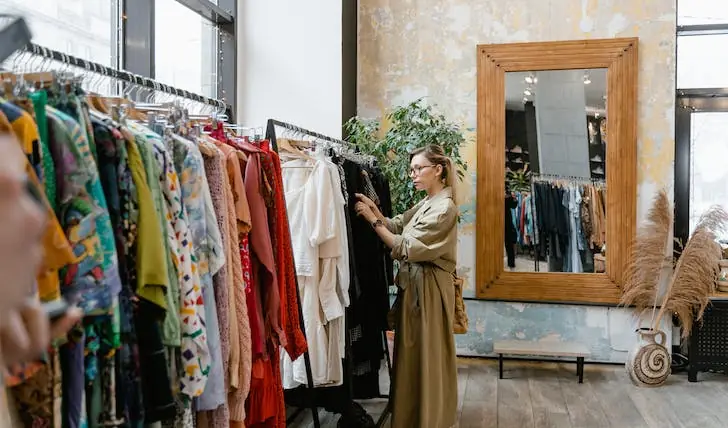
The vision was bold and exciting. Amazon, a titan of e-commerce, stepped into the physical retail space with a futuristic approach. Their fashion stores were designed to offer a unique shopping experience, blending the convenience of online shopping with the tangibility of in-store browsing. Interactive dressing rooms, AI-based style recommendations, and a seamless checkout process. It was all there.
However, the reality was a stark contrast. Customers found themselves overwhelmed by the barrage of technology. Instead of enhancing the shopping experience, it overshadowed the core activity – finding the perfect outfit. The AI recommendations often missed the mark, failing to understand individual style nuances. Moreover, the lack of personal touch, something that traditional retail thrives on, left many customers disconnected.
Target Audience Disconnect: Misjudging Young Shoppers
One of Amazon’s key missteps was misjudging its target audience. Young shoppers, although tech-savvy, still crave the personal, tactile experience of traditional shopping. They value the opinion of a human stylist over AI suggestions. The stores failed to strike a balance between technology and human interaction. Thus, alienating a demographic that values authenticity and personalized experiences.

Amazon’s pricing strategy, known for its competitive edge in the online marketplace, did not translate well into its physical stores. The dynamic pricing model, while attractive online, caused confusion among in-store shoppers. Customers were unsure about the actual cost of items, leading to frustration and a lack of trust.
Another critical area where Amazon fell short was in its marketing approach. The promotional strategies that work online did not have the same impact in the physical retail space. Their marketing failed to create the necessary buzz and failed to effectively communicate the unique benefits of the futuristic shopping experience.
Strategic Misplacements
The choice of store locations also played a significant role in the downfall. Instead of situating these fashion hubs in high-traffic, fashionable districts, many were placed in less ideal locations. This strategic misplacement limited the stores’ visibility and accessibility to the target demographic.

Many competitors successfully integrated technology into their stores without compromising the personal touch that shoppers value. This adaptability made Amazon’s stores seem less innovative and more gimmicky in comparison.
Similarly, the onset of the COVID-19 pandemic also played a significant role. It altered shopping habits significantly, with more consumers moving towards online shopping. This shift made the need for physical stores less relevant, especially ones that relied heavily on in-store technology.
Thus, Amazon’s venture into futuristic fashion stores offers valuable lessons. It underscores the importance of understanding customer preferences, the need for a balanced integration of technology and human touch, and the significance of effective marketing and strategic location selection. As Amazon reevaluates its strategy, these lessons will be crucial in shaping its future endeavors in physical retail.